Bluffdale, Utah
welcome to

So happy you're here!
On our blog, you will find all of the latest recommendations, information, and tips regarding skincare and the aesthetic industry.

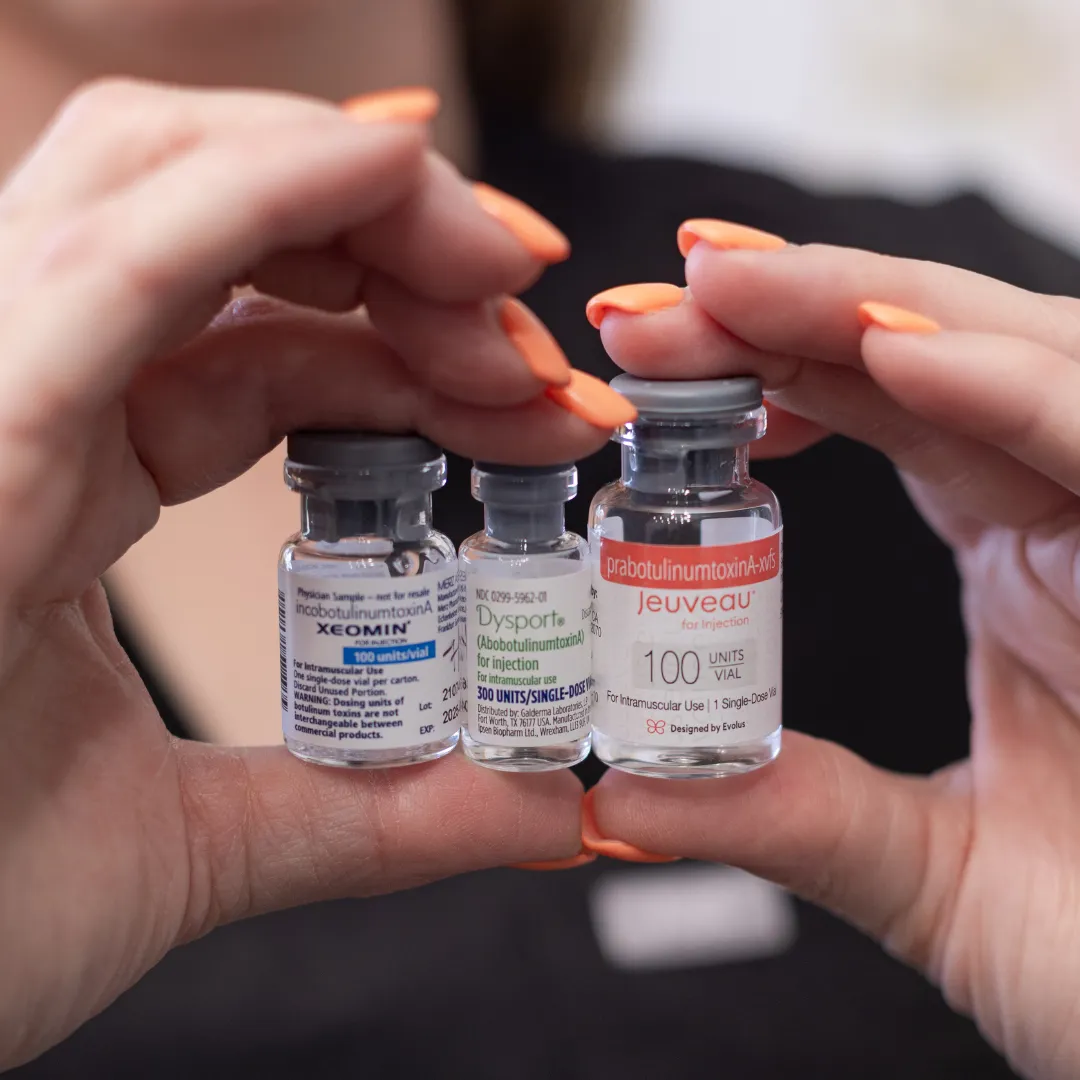
Deciding between Dysport, Xeomin, or Jeuveau?
Neurotoxins
In the world of cosmetic procedures, the array of options available to patients can be overwhelming.
Dysport, Xeomin, and Jeuveau are three commonly used injectable treatments that often get grouped together because of their primary purpose – smoothing out those pesky wrinkles and fine lines. And sometimes we say "Botox" to describe all wrinkle relaxer brands.
As a Nurse Practitioner, it's my goal to help patients make informed decisions about their treatments. In this week's education, we'll explore the basic differences between Dysport, Xeomin, and Jeuveau to provide a clearer understanding of what each product offers.

Understanding Neurotoxins
Before delving into the specifics of Dysport, Xeomin, and Jeuveau, it's essential to grasp the common thread among them: they are all neurotoxins.
These substances work by temporarily blocking nerve signals that lead to muscle contractions, which are responsible for the formation of wrinkles. The result? Smoother, more youthful-looking skin.
Now, let's look at how these three products differ.
Dysport
Dysport, much like its more well-known cousin Botox, is composed of botulinum toxin type A. It has been FDA-approved for wrinkle reduction in the United States since 2009. Dysport typically starts to take effect within 2-3 days, with full results visible around two weeks after the treatment.
One notable difference between Dysport and some other neurotoxins is its diffusion potential. Dysport tends to spread a bit more, which can be beneficial when treating larger areas but may require more precision when addressing smaller, delicate areas.
Xeomin
Xeomin is another neurotoxin approved by the FDA for cosmetic use. It contains botulinum toxin type A and, like Dysport and Botox, effectively reduces the appearance of wrinkles. What sets Xeomin apart is its "purity." Unlike Botox and Dysport, Xeomin does not contain complexing proteins, which means the body may be less likely to develop resistance to it over time.
Patients who have developed resistance or experienced unsatisfactory results with other neurotoxins may consider Xeomin as a potential alternative.
Jeuveau
Jeuveau, also known as #Newtox, is the newest addition to the world of neurotoxins for cosmetic use.
It is formulated with a purified botulinum toxin type A, similar to Xeomin. Jeuveau's unique selling point is its modern manufacturing process, which results in a product with high purity and potentially fewer impurities. This could contribute to reduced immune system responses and increased patient satisfaction. Jeuveau generally begins to take effect within 2-3 days, with full results visible after about a week.
When deciding between Dysport, Xeomin, and Jeuveau, here are some key considerations to keep in mind:
1. Active Ingredient:
All three products contain botulinum toxin type A, but vary in terms of purity and protein content.
2. Onset of Results:
Dysport and Jeuveau tend to show results a bit faster than Xeomin, with Dysport taking 2-3 days and Jeuveau around a week.
3. Diffusion:
Dysport has more diffusion potential, making it suitable for treating larger areas, while Xeomin and Jeuveau may require more precision for small, delicate areas.
4. Resistance:
Xeomin's unique purity may be advantageous for those who have developed resistance to other neurotoxins.
5. Experience:
Jeuveau is the newest contender, appealing to patients looking for the latest advancements in cosmetic treatments.
In conclusion, the choice between Dysport, Xeomin, and Jeuveau should be based on a careful evaluation of individual goals, skin type, and the guidance of a skilled practitioner.
These neurotoxins have their unique characteristics and benefits, which can be tailored to meet your specific needs. As always, it's essential to consult with your healthcare professional to determine the most suitable option for your desired outcome.
Ready to try one? Its the perfect time!
Visit our page to see neurotoxin treatments and other services!
https://29aesthetics.com/services
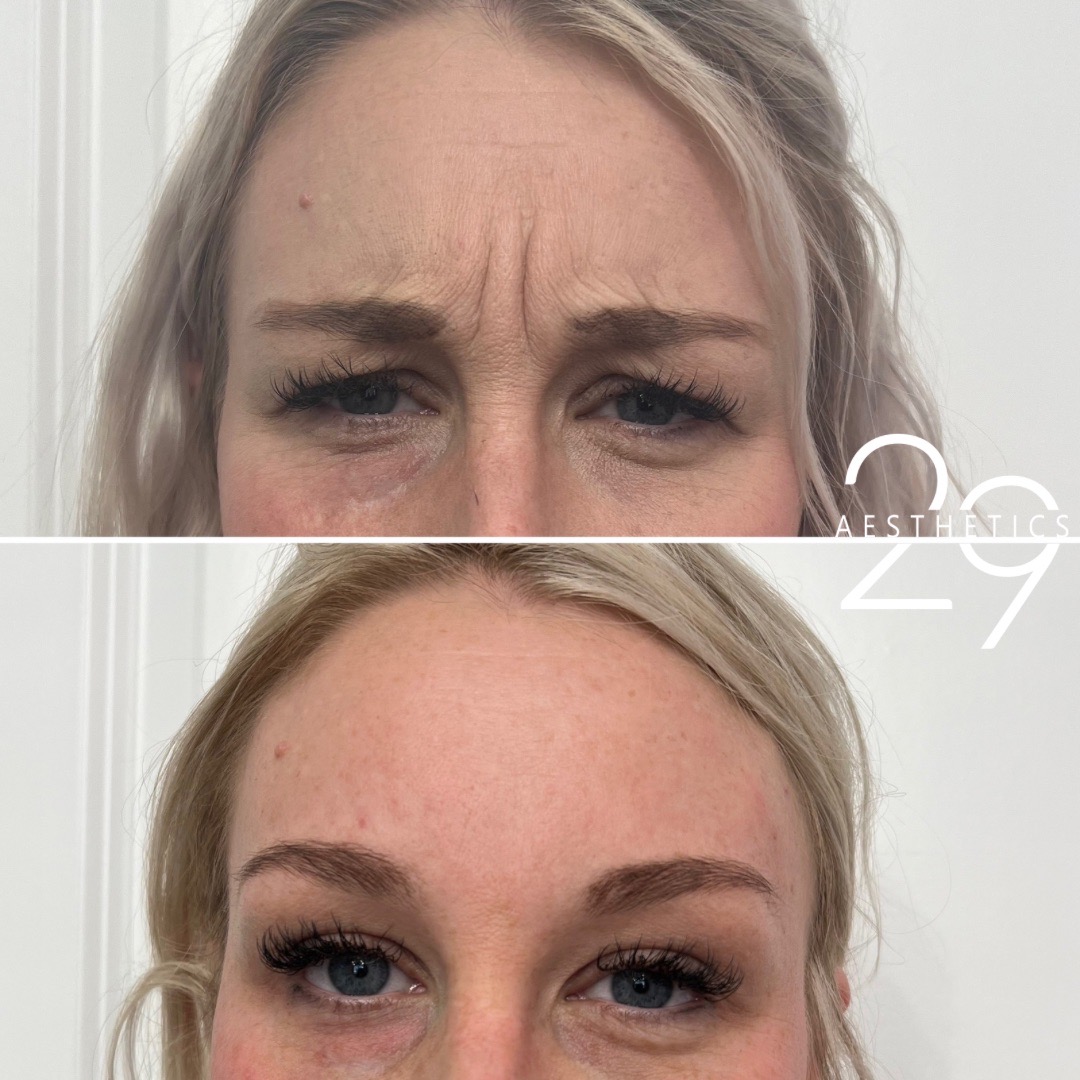
Neurotoxin Before & After Images

CONTACT US
(801) 405-3393
15153 S. Battle Dr.
Bluffdale, UT 84065
Join our email list!
Subscribe for the latest news, services, promotions, & more!
© 2023 All Rights Reserved. Terms of Use and Privacy Policy